

Dental Fillings
 As your pediatric specialist, our goal is to help your child avoid cavities, and we do this by talking with them about their oral health and brushing and flossing habits during their routine visits. However, with that said, most children will need to have a dental filling placed to restore a tooth affected by decay at some point.
We are happy to provide your child with tooth-colored fillings, which are the most durable and aesthetically pleasing option available today.
When Is a Dental Filling Necessary?
The harmful acids and bacteria that gather in your son or daughter’s mouth after meals and snacks can eat away at tooth enamel, causing it to become compromised. When this happens, the decay leaves a hole in the tooth known as a cavity.
Dr. Reed will fill the hole with tooth-colored composite resin, and this filling will restore the tooth to health, so your child can eat and chew comfortably again. Using a filling to eliminate tooth decay is much easier and more comfortable than treating it once it has progressed into the nerve or pulp of the tooth.
What Are the Benefits of Choosing Tooth-Colored Fillings
Composite resin provides both durability and aesthetics when restoring a tooth. A tooth-colored filling is also a more conservative choice since it preserves more of your child’s natural tooth structure than metal fillings. If it is a permanent, adult tooth that we are looking to restore, a composite resin filling has the potential to last for many years with a good brushing and flossing routine and regular dental checkups.
What Is The Process for Getting a Tooth-Colored Filling?
Your child’s comfort is always our top priority and completing a dental filling is a relatively comfortable and straightforward process for your son or daughter we can finish during one appointment.
Our Team will use a local anesthetic to numb the area around the tooth, which will ensure your child is comfortable during the procedure. When the tooth is numb, they will remove the decayed area of the tooth, clean it thoroughly, and make sure it is entirely free of decay.
Next, composite resin is blended to match your child’s tooth and then placed into the space left open by tooth decay. Dr. Reed uses a special light to cure and harden the composite material, and then they smooth the filling to ensure that your son or daughter’s bite is functioning correctly.
That’s the end of the procedure, and their tooth is now restored to health! Your little one should be able to return to his or her usual activities right away and can eat normally once the anesthetic wears off.
Contact Our Pediatric Dental Office
Let us know if you have any questions or concerns about tooth decay or dental fillings recommended for your child.
Testimonial
Dr. Reed is absolutely FANTASTIC. Very polite and through.
Frequently Asked Questions
Yes, tooth-colored fillings, also known as composite fillings, are designed to be both long-lasting and reliable for everyday wear like chewing, biting, and normal use. While no filling lasts forever, modern composite materials have come a long way and can hold up well for many years with proper care.
Several factors influence how long a filling will last, including the size and location of the filling, your child's bite and chewing habits, and how consistently they maintain good oral hygiene. Smaller fillings on less stressed teeth tend to last longer than larger fillings on molars that handle heavy chewing forces.
To help a tooth-colored filling last as long as possible, we recommend:
- Brushing twice a day with fluoride toothpaste
- Flossing daily to remove plaque near the filling's edges
- Avoiding excessive chewing on hard items like ice or hard candy
- Limiting sugary snacks and drinks that contribute to new decay
- Keeping up with regular dental checkups so we can monitor the filling over time
During routine visits, we'll check the filling for any signs of wear, chipping, or new decay around its edges. Catching small issues early helps prevent the need for more extensive treatment down the road.
While tooth-colored fillings are a durable and aesthetically pleasing option for treating cavities, durability ultimately depends on consistent home care and regular professional monitoring. With good habits, most fillings serve children well throughout their developing years.
Comes in right at 250 words, matching the bulleted format from your other FAQs. Let me know if you'd like adjustments.
Our Team

Dental Fillings Technology
Digital Dental X-Rays
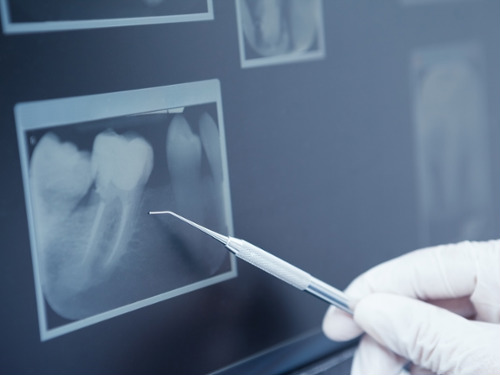
Digital imaging lets us see what a visual exam alone cannot. When it’s appropriate for your child, we use these images to check tooth development, spot decay hiding between teeth, evaluate injuries, and examine the structures that support your child’s teeth, all with very low radiation exposure.
Modern digital dental x-rays benefit patients in a number of ways:
- Digital x-rays expose patients to considerably less radiation than conventional film x-rays
- Digital x-rays require almost no time for development, reducing time spent waiting in the dental chair
- Digital x-rays allow for incredibly precise and accurate images for timely diagnoses
- Digital x-rays are securely stored in your digital file and can be securely sent to your insurance company or specialists, when necessary
- Because no chemicals are needed for developing and no space is needed for film storage, digital x-rays are better for the environment